
Production Details
Production Team
Length: 90 minutes
Elements: Interviews, archival footage, evocative re-creation footage, rich music track
Committed Broadcast: WNET American Masters Series
Creative Elements
With the assistance of a distinguished board of humanities scholars, this documentary will blend historical research, archival photography and motion picture film, audio recordings and an original sound track.
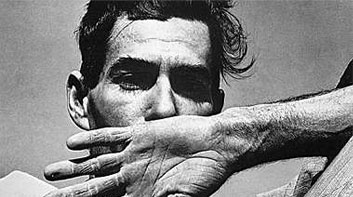
This film allows Lange’s powerful and palpable style to reveal itself through her writing and intimate first-person recollections from their family, friends and assistants, giving the film perspective and dimension. Dramatized and evocative imagery will be juxtaposed with archival footage of the times and newly restored 16mm footage of Lange herself to move the story forward. Combining these unique materials with her epic photographs, Grab a Hunk of Lightning will powerfully invite viewers to Lange’s singular desire: To see ‘things as they are.’
In addition to the legacy of her photographs, Dorothea Lange left behind many personal hand-written journals; diaries of her daily work in the field, darkroom notes, manuscripts, letters and detailed photographic captions.
Outreach
Katahdin Productions is planning extensive outreach efforts to insure that the film can extend the opportunity for ongoing positive social change: Educational efforts targeting middle and high schools will include partner relationships with children's museums, photography museums, schools and centers for youth. It is the intension of the filmmakers to not only have an impact with the film for the viewer, but to create conduits of learning and provide opportunities for children to experience their surroundings through the lens of a camera. By referencing Lange’s photographic work, the educational component will integrate both the technical and interpretive aspects of photography and teach students to appreciate, interpret, analyze and create visual works that have direct meaning in their own lives.